

ROV and AUV Market Boom in 2026: Untethered Robotics Reshape Subsea Operations
Categories: Author: MarineConn Views: 70
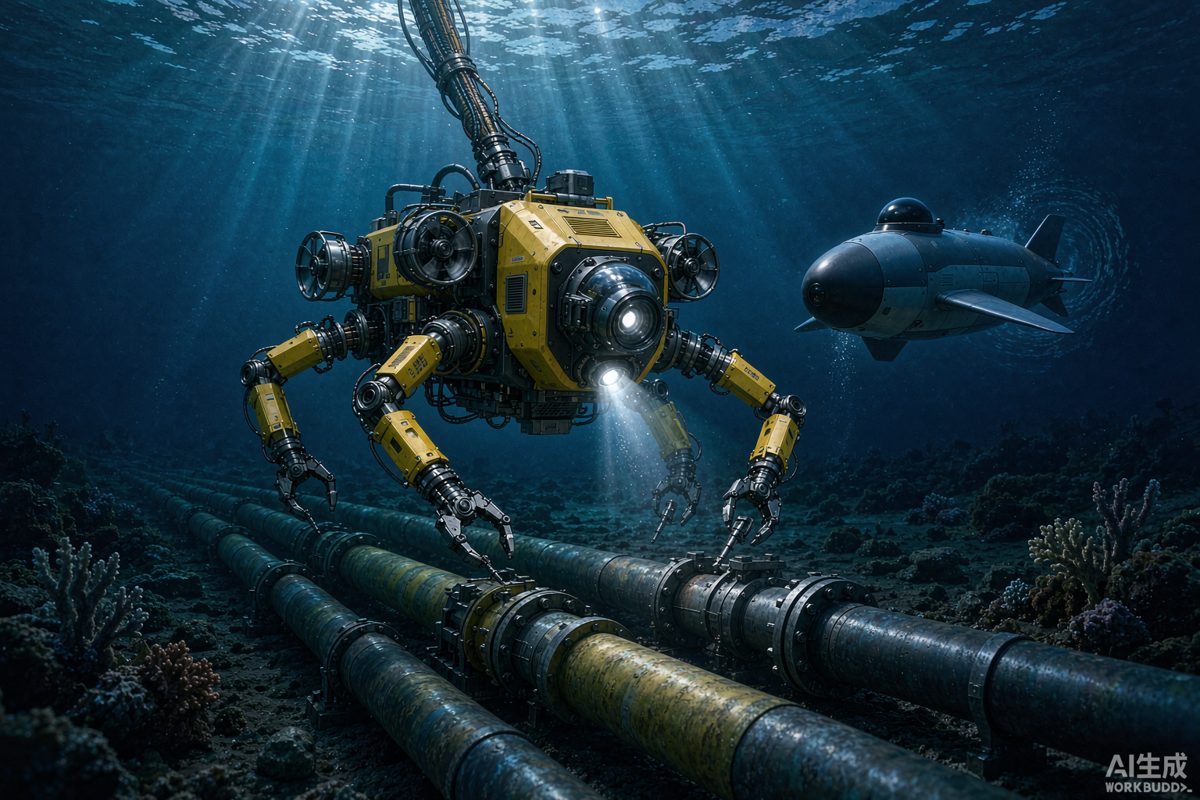
Subsea robotics has entered its commercial inflection point. Industry investment reports put the global underwater robotics market at approximately US$ 18.5 billion in 2026, with shipments expected to exceed 12,000 vehicles for the year. Autonomous underwater vehicles (AUVs) now account for around 42% of shipments and are growing at roughly 15% annually, while work-class remotely operated vehicles (ROVs) still dominate deepwater intervention work.
Why the Market Is Accelerating
1. Deepwater Energy and Offshore Wind
Deepwater oil & gas development, seabed cable maintenance and offshore wind farm construction are generating sustained demand for underwater inspection, cleaning and repair. Traditional diver-based operations struggle in deep water and high-frequency scenarios, pushing operators toward robotic alternatives — from turbine foundation inspection to anodic protection and underwater welding support.
2. The Tether-Cutting Economics of AUVs
The most significant economic shift is the move to untethered, self-steering autonomous systems, which eliminate the need for large surface support vessels. Cost models cited by Kings Research show that a 100 km pipeline inspection by AUV can save about US$ 440,000 in direct costs compared with tethered deployment, while completing the mission in less time. Platforms such as Oceaneering’s Magnum Plus, HII’s REMUS 620 and Nauticus’s Aquanaut hybrid illustrate how autonomy is reshaping fleet planning.
3. Modular, Multi-Mission Platforms
Standardized interfaces now allow operators to swap manipulator arms, sonar arrays and tooling packages on a single vehicle. Modular product lines are expected to contribute about 35% of market revenue in 2026 (up 8 percentage points year-on-year), lowering per-mission equipment costs and extending platform service life.
Regional Demand Snapshot
| Region | 2026 Share | Key Demand Drivers |
| Asia Pacific | ~38% | Offshore wind, port and cross-sea infrastructure construction |
| North America | ~25% | Mature deepwater oil & gas and complete supply chain |
| Europe | — | High-precision, low-impact intelligent O&M equipment (+9% procurement) |
Beyond energy, emerging scenarios are widening the market: subsea data center (UDC) deployments require robotic installation and maintenance support, while aquaculture, marine ranching, underwater archaeology and emergency rescue are driving adoption of lighter, portable systems.
What It Means for Component and Equipment Suppliers
Every additional vehicle in the fleet multiplies demand for the components that keep it running: high-reliability subsea connectors for mating cycles under pressure, flexible underwater cable assemblies for tethers and umbilicals, underwater cameras and sensors for vision-based navigation and inspection, and marine cable winches for launch and recovery systems. Suppliers that can deliver deep-sea-grade reliability with short lead times are well positioned as fleets expand globally.
MarineConn manufactures underwater connectors, cable assemblies, cameras and winches for ROV/AUV integrators and offshore operators worldwide. Contact us to discuss OEM requirements for your next vehicle program.
Sources: industry investment reports (IIM, 2026); Kings Research via Brief News, “Underwater Robotics Revolution: Untethered Systems Drive Cost Savings”, October 2026.