
SubC Imaging Launches Turnkey Drop and Tow Camera Systems for Seafloor Surveys
Categories: Author: MarineConn Views: 86
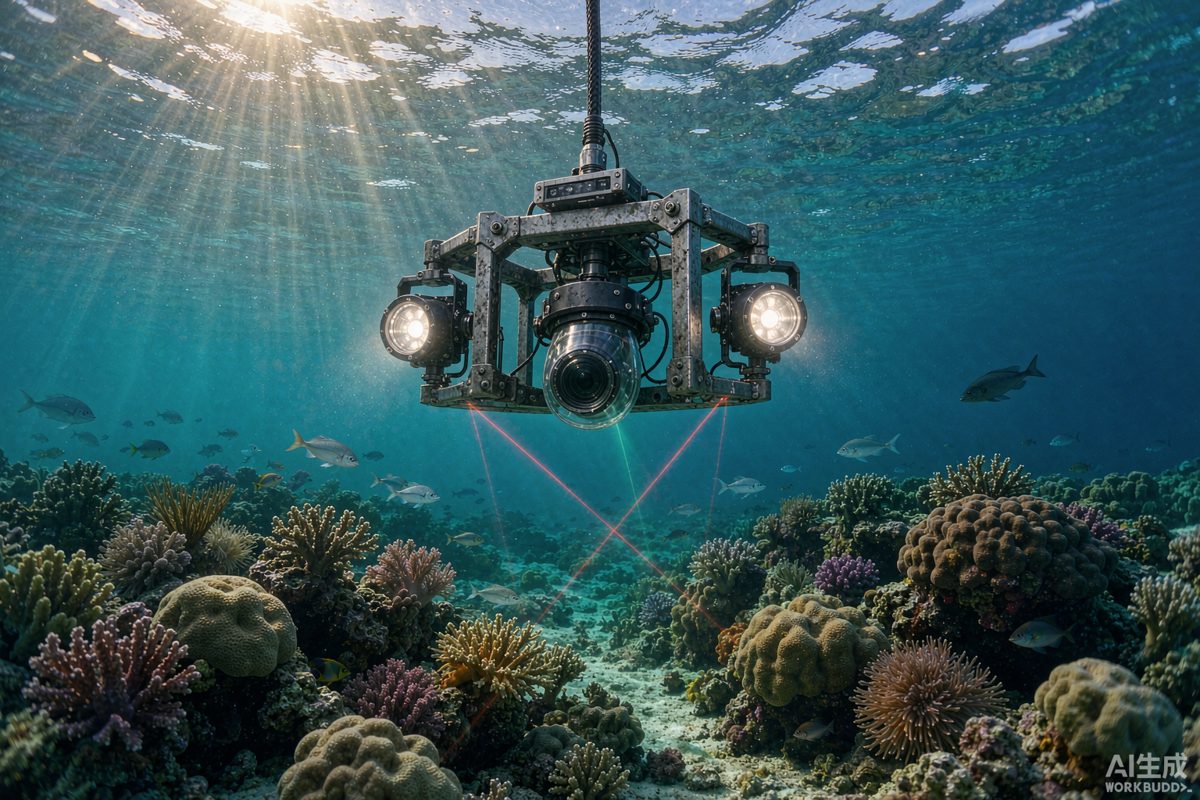
SubC Imaging's new Drop and Tow Camera Systems package camera, lighting, recording and data management into pre-tested platforms — and the single-cable architecture behind them says a lot about where subsea imaging hardware is heading.
From Custom Frames to Turnkey Systems
Seafloor survey teams have long assembled their imaging rigs the hard way: a camera from one vendor, lights from another, a hand-built frame, a recording box, and weeks of integration and troubleshooting before the first deployment. In October 2026, Canada-based SubC Imaging moved to retire that workflow with the launch of its Seafloor Imaging Systems — two complete, pre-engineered platforms:
- SubC Drop Camera System (DCS) — compact, portable, no-contact imaging for vertical drops and drifting surveys;
- SubC Tow Camera System (TCS) — a stable, bottom-following platform for repeatable transects and long-term monitoring.
Both integrate imaging, lighting, recording, mounting and data management into a single solution that is designed and tested to work together from the start. According to SubC, the integrated workflow cuts post-survey processing time by 50% or more.
What Is Inside the Systems
The core imaging chain is built around SubC's Rayfin camera platform, recording 4K video and high-resolution stills (12.3 MP on the Rayfin Coastal variant used in the drop system). Four elements distinguish the architecture:
- Embedded metadata — altitude, depth, GPS position and timestamp are written directly into each image file, eliminating manual alignment between imagery and navigation data;
- DVR+ control software — camera, light and laser control, live event tagging, and automated timestamped data logging through one interface;
- ReviewStudio — post-dive review, event editing, data validation and structured log export for faster reporting;
- Field-tested frames — the drop frame includes an integrated stabilization tail, validated through flume tank testing at the Marine Institute, to hold image consistency in shifting currents.
One Cable Carries Everything
The detail most relevant to the subsea hardware supply chain is the interconnect architecture. The drop system uses Kevlar-reinforced data cables with SubC's Boost-Power Comms (BPC) technology, delivering power, video, camera control and sensor data through a single lightweight connection.
That design choice is consequential. Every function consolidated onto one conductor pair or coax is one less connector, one less penetrator, and one less failure point — but it also raises the qualification bar on the remaining connector and cable assembly. Typical published parameters for the drop platform indicate 40–78 VDC input at approximately 18 W, 500 m depth rating in anodized 6061-T6 aluminium, roughly 0.8 kg in water, and still-image burst rates up to 4 Hz. Power-over-data links of this type demand low-resistance contacts, stable dielectric performance under pressure cycling, and sealing that survives repeated wet mating in the field.
Two Deployment Profiles, Two Engineering Problems
| Aspect | Drop Camera System (DCS) | Tow Camera System (TCS) |
|---|---|---|
| Deployment | Vertical drop, drift, slow transect | Continuous tow, bottom-following |
| Seabed contact | No-contact (protects sensitive habitats) | Passive altitude control above seabed |
| Typical users | Research vessels, workboats, ships of opportunity | Monitoring programmes, repeat transects |
| Primary applications | Coral reef and MPA surveys, habitat assessment, baseline studies | Environmental monitoring, change detection, long-term research |
| Cable / handling | Single lightweight BPC cable, small-diameter handling system | Longer cable runs, higher tension, winch-dependent |
The split matters operationally: a drop system prioritises portability and minimal seabed disturbance, while a tow system prioritises altitude stability and image repeatability across kilometres of transect. The tow configuration places far greater demands on cable tension management and winch integration — which is why towed survey packages typically live or die on the cable-and-winch subsystem rather than the camera itself.
Implications for Connector and Cable Buyers
Three observations for procurement and engineering teams:
- Integration is being packaged, not invented. Turnkey platforms shift value from custom fabrication to qualified subsystems — connectors, penetrators, and composite cables become the differentiating components rather than afterthoughts.
- Single-cable architectures are spreading. Power-plus-data over one lightweight cable is now standard practice in compact survey systems, and it tightens requirements on contact resistance, shielding, and long-term waterblocking.
- Backward compatibility is being preserved. SubC notes that its cameras, lights, lasers and DVR+ can be integrated into existing platforms without replacing established infrastructure — a reminder that retrofit demand remains a significant share of subsea imaging upgrades.
MarineConn: Cameras, Cables and Connectors in One Supply Chain
MarineConn supplies the hardware that sits either side of the imaging payload: underwater cameras and lighting, subsea cables with moulded assemblies, underwater electrical connectors rated for wet and dry mating, and cable winches for towed and tethered platforms — available as standard products or OEM/ODM builds to your depth rating and connector interface.
Specifying a survey or inspection system? Contact our engineering team for depth-rating guidance, cable assembly drawings, and sample evaluation.
Source: SubC Imaging product announcement and Ocean Science & Technology / eco Magazine coverage (October 2026).