


An underwater connector is a device specifically designed for connecting power, signals, or optical cables in underwater environments
Categories: Author: MarineConn Views: 269
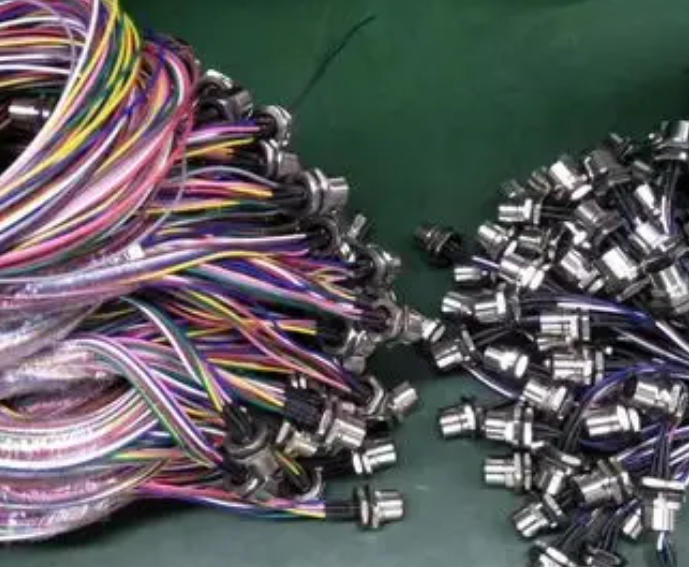
Unlike conventional land connectors, underwater connectors must possess extremely high sealing performance. They typically employ multiple O-ring seals, metal housing compression seals, or epoxy resin potting techniques to achieve an IP68 or even higher protection level, ensuring that the internal contacts do not oxidize or allow water to enter even after prolonged immersion. From a technical perspective, underwater connectors primarily address three key issues: first, pressure balance.
The enormous hydrostatic pressure in deepwater environments can cause ordinary seals to fail, so high-end products often come equipped with pressure compensation mechanisms; second, corrosion resistance. The housing materials are often chosen from 316L stainless steel, titanium alloy, or high-performance engineering plastics (such as PEEK) to resist chloride ion corrosion; third, convenience and reliability of mating operations. Many underwater connectors support wet mating, which allows connections to be made underwater without drying, but this requires high skill levels from operators and strict adherence to torque standards to prevent leaks. In terms of application scenarios, underwater connectors are widely used in offshore oil exploration platforms, submarine cable terminals, underwater robots (ROV/AUV), sonar systems, underwater observation networks, and ship propulsion systems.
Industry standards typically refer to IEC 60529 (protection level), MIL-DTL-38999 (military standard), or specific marine engineering specifications. When selecting, it is important to consider rated voltage and current, contact pairs, medium type (fresh water/seawater), operating depth, and temperature range. It is worth noting that, despite the term "connector" being included in the name, in certain industrial contexts, users may confuse "electronic component recycling" with "connector manufacturing". When dealing with the disposal of used underwater connectors, it typically falls under the category of electronic waste recycling, which involves precious metal extraction and environmentally friendly dismantling processes.
However, this is a completely different concept from the selection and installation of brand-new connectors. For new projects, it is imperative to choose a professional manufacturer that has been certified by a third party, and conduct rigorous pressure testing and salt spray testing to ensure safety throughout the entire lifecycle. In addition, during routine maintenance, it is important to avoid forcibly prying open the sealing ring with sharp tools, regularly check the insulation resistance value, and keep it dry and clean during storage. Incorrect installation posture or unclean contact surfaces are one of the main causes of underwater failures. In summary, underwater connectors are indispensable key components in marine engineering, and their quality directly determines the operational stability of the entire underwater system.